Maintaining Fluid That Supports Shifting and Cooling
Transmission Services in Lafayette for vehicles with automatic or manual transmissions requiring fluid maintenance
Transmission fluid lubricates gears and clutches, transfers hydraulic pressure for shifting in automatic transmissions, and carries heat away from internal components that generate friction during torque transfer and gear changes. Over time, this fluid accumulates metal particles from normal wear, loses viscosity from heat exposure, and breaks down chemically until it no longer protects or operates the transmission effectively. Drivers in Lafayette face faster fluid degradation due to heat and stop-and-go traffic, which generate more thermal stress and friction than highway driving. Nicky P Lube Express provides transmission services in Lafayette focused on fluid maintenance and routine care that follows manufacturer guidance, helping drivers keep up with scheduled service before neglected fluid contributes to shifting problems or internal damage.
Transmission service involves draining old fluid, replacing the filter where applicable, and refilling the system with fresh fluid that matches your vehicle's specifications. Automatic transmissions rely on clean fluid to maintain hydraulic pressure for smooth shifts, while manual transmissions depend on proper lubrication to protect synchronized gears during engagement. Service requirements vary significantly by vehicle—some transmissions have replaceable filters and drain plugs, others require pan removal for fluid changes, and a few use sealed designs with extended or lifetime fill intervals. Heat accelerates fluid breakdown, so vehicles driven in Lafayette typically benefit from more frequent service than manufacturer intervals suggest for moderate climates.
Discuss your vehicle's transmission service requirements and current fluid condition during your next maintenance visit.
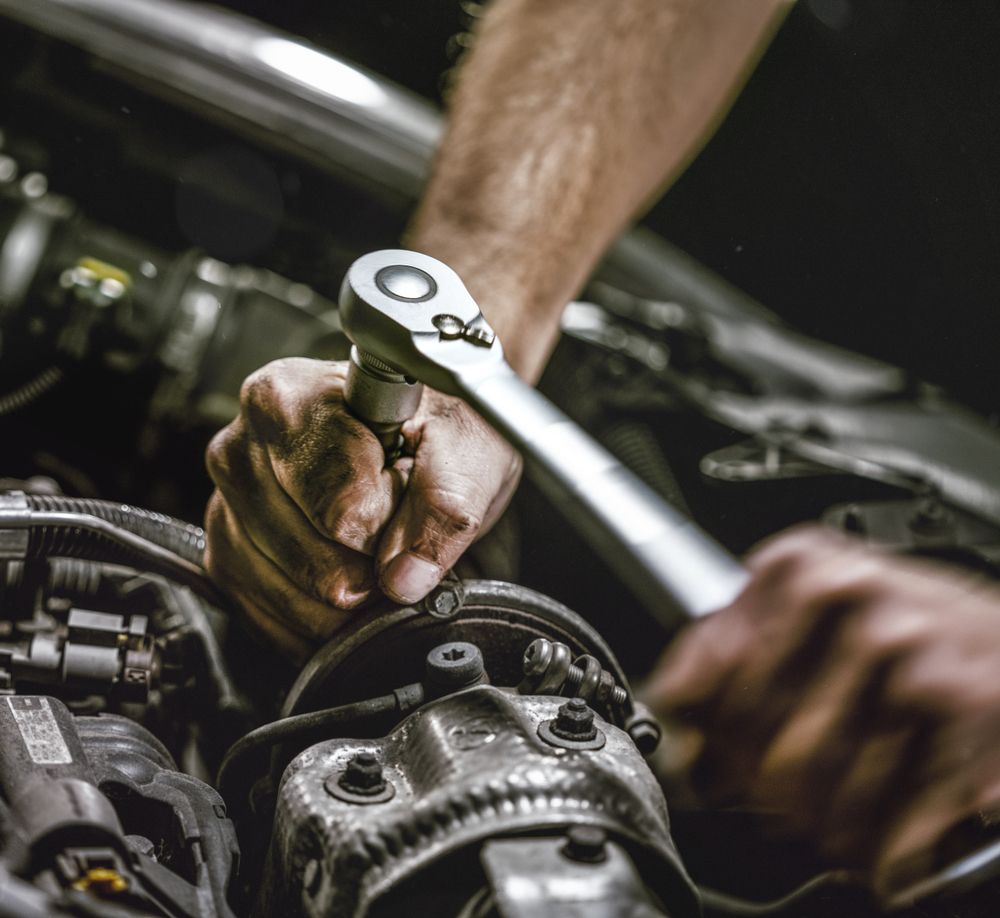
What Transmission Fluid Maintenance Involves
Effective fluid service requires using the correct fluid type for your transmission—many modern units specify proprietary formulations that differ from universal fluids—and following the fill procedure to avoid overfilling or introducing air into the system. The fluid level must be checked at operating temperature with the vehicle running in most automatic transmissions, because level changes as the fluid expands and circulates through the torque converter and cooler lines. Filters trap metal particles and clutch material that wear away during normal operation, and replacing the filter during service prevents contaminated fluid from recirculating.
After fresh fluid is installed, your transmission will shift more smoothly, engage gears without delay, and operate at lower temperatures because clean fluid transfers heat more effectively than degraded fluid. Harsh shifts, slipping between gears, and delayed engagement often improve when fresh fluid restores proper hydraulic pressure and lubrication. Regular fluid service extends the working life of seals, clutches, and internal bearings by preventing abrasive buildup and maintaining the chemical additives that protect against wear and oxidation.
Transmission service includes fluid and filter replacement where applicable, but does not repair existing mechanical damage, resolve electronic control issues, or restore transmissions that have already experienced internal failure. Service intervals depend on your vehicle's design, driving conditions, and whether you tow or drive in heavy traffic regularly. Manufacturer recommendations provide a baseline, but severe service conditions warrant shorter intervals to protect high-value transmission components.
Questions Before Starting Your Project
Drivers often ask how to recognize fluid problems and what factors determine service timing.
What does transmission fluid actually do?
In automatic transmissions, fluid transmits hydraulic force to engage clutches and shift gears, lubricates planetary gearsets and bearings, and circulates through a cooler to remove heat generated during torque multiplication and shifting.
How do I know when transmission fluid needs service?
Dark or burnt-smelling fluid, delayed or harsh shifts, slipping during acceleration, or visible particles in the fluid indicate degradation and the need for service, though many transmissions benefit from scheduled changes before symptoms appear.
Why does heat in Lafayette affect transmission service intervals?
High ambient temperatures and stop-and-go traffic increase transmission operating temperatures, which accelerate fluid oxidation and breakdown of additives that protect against wear and foaming.
What is the difference between a fluid change and a flush?
A fluid change drains the pan and replaces the accessible fluid and filter, leaving some old fluid in the torque converter and cooler lines, while a flush uses equipment to exchange all fluid—though not all transmissions tolerate flushing procedures.
Can fresh fluid fix shifting problems?
If the problem is caused by degraded fluid or low fluid level, a service may restore normal operation, but mechanical wear, electronic control faults, or internal damage require diagnosis and repair beyond fluid maintenance.
Nicky P Lube Express services transmissions for vehicles in Lafayette and surrounding areas, following manufacturer specifications and adjusting service intervals to match local driving conditions. Call (337) 839-8119 to schedule transmission service or discuss your vehicle's maintenance schedule.